Exterior Restoration

Mold & Mildew
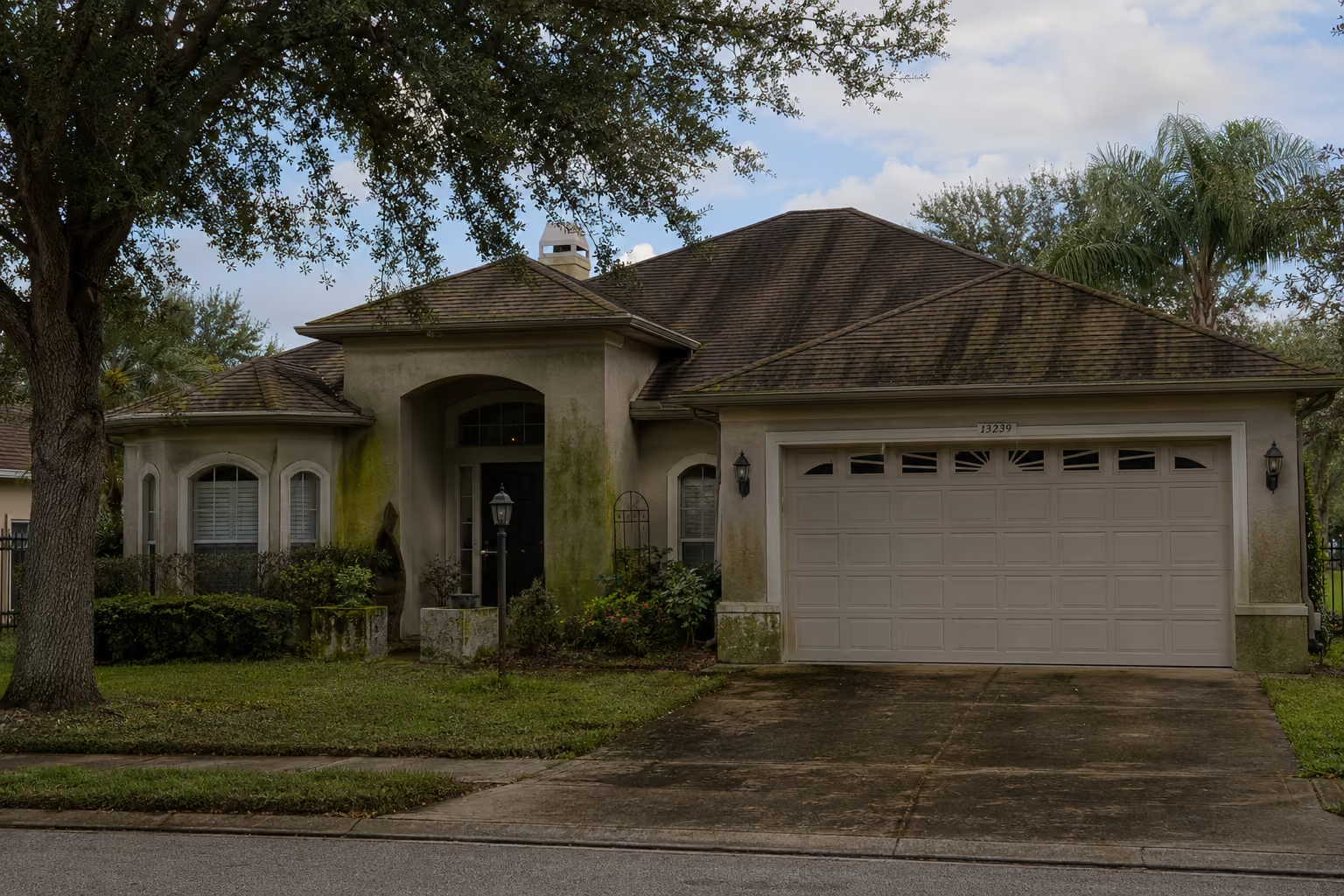
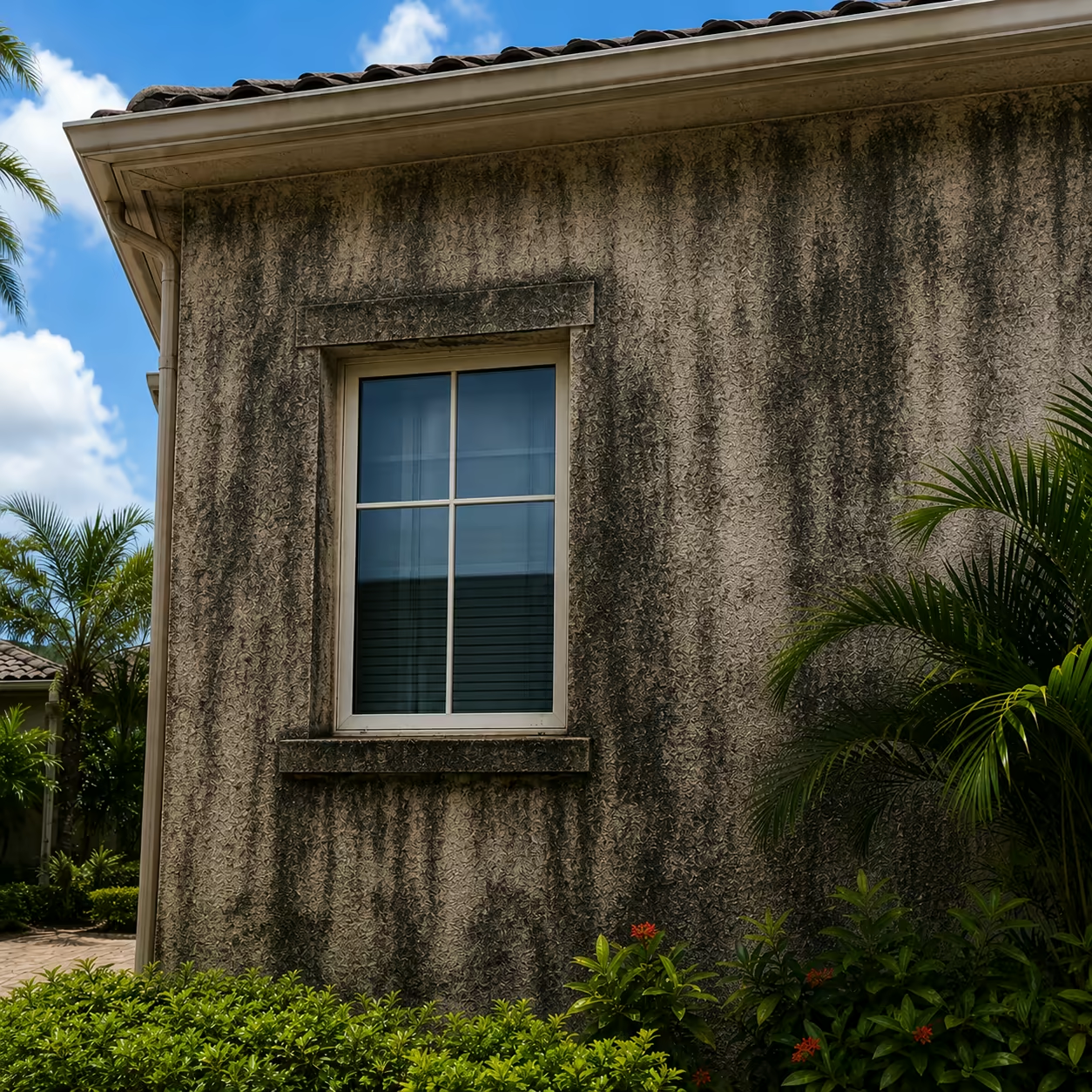
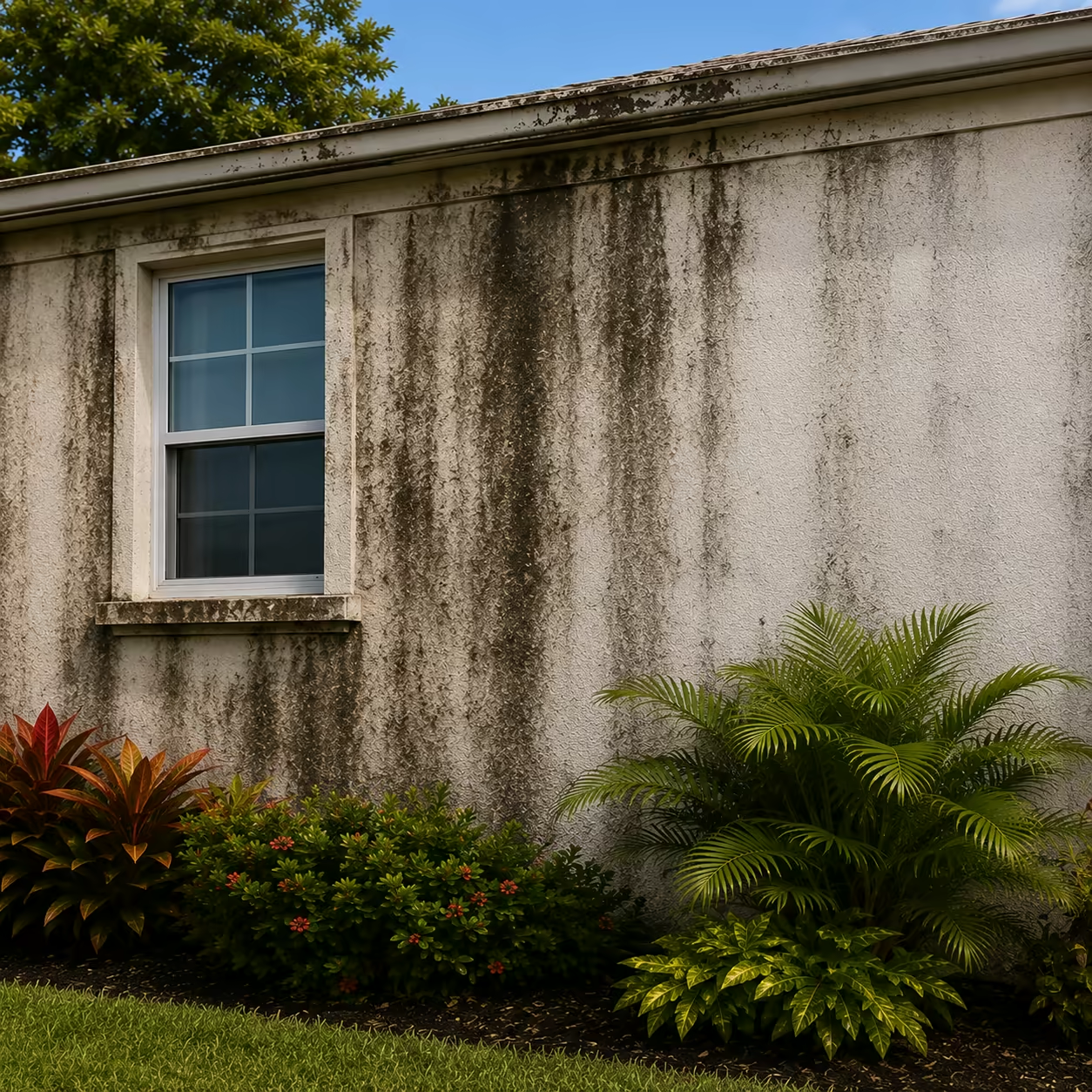
Dark, blotchy stains caused by mold, mildew and algae growth on any surfaces.
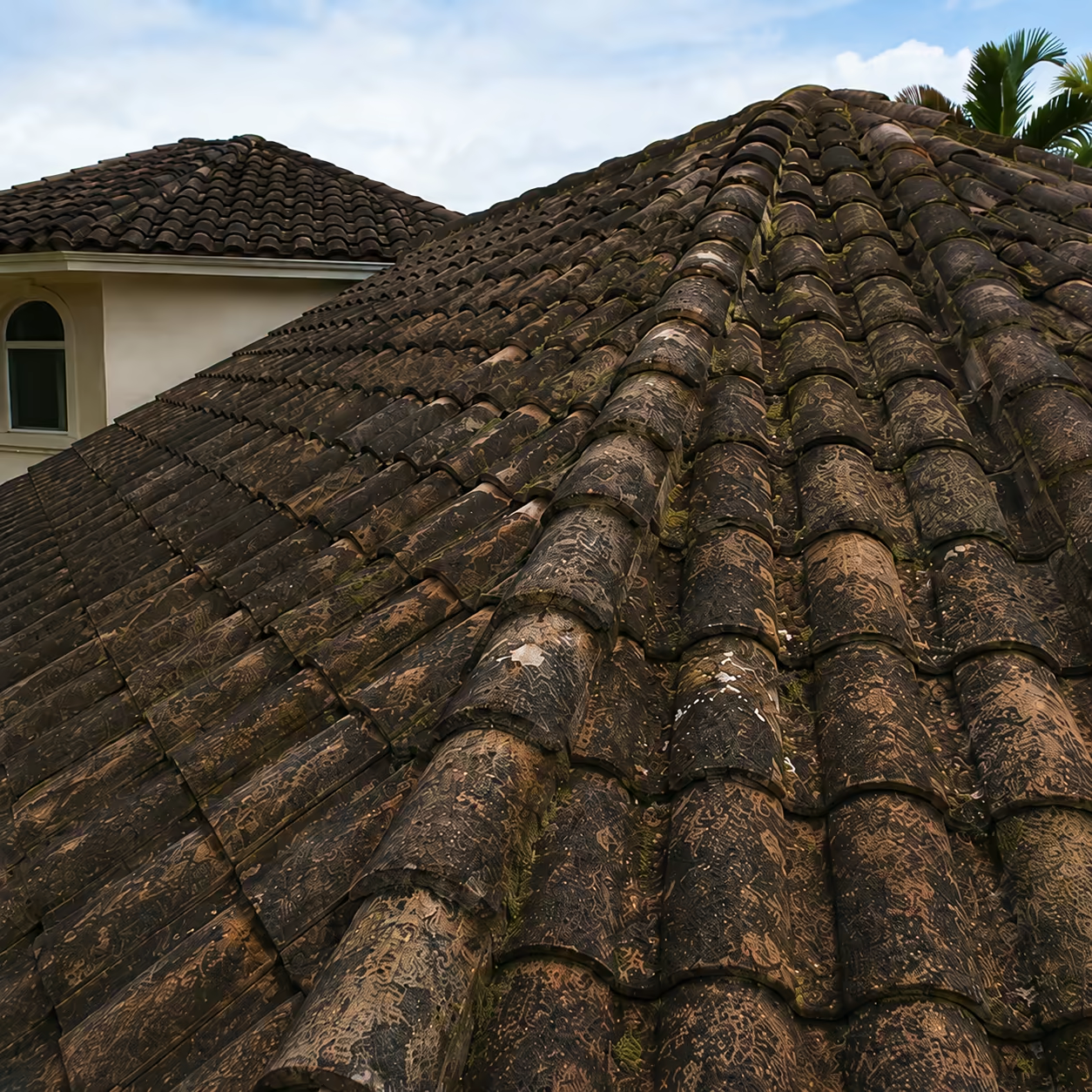
Gleocapsa Magma (Black Streaks)
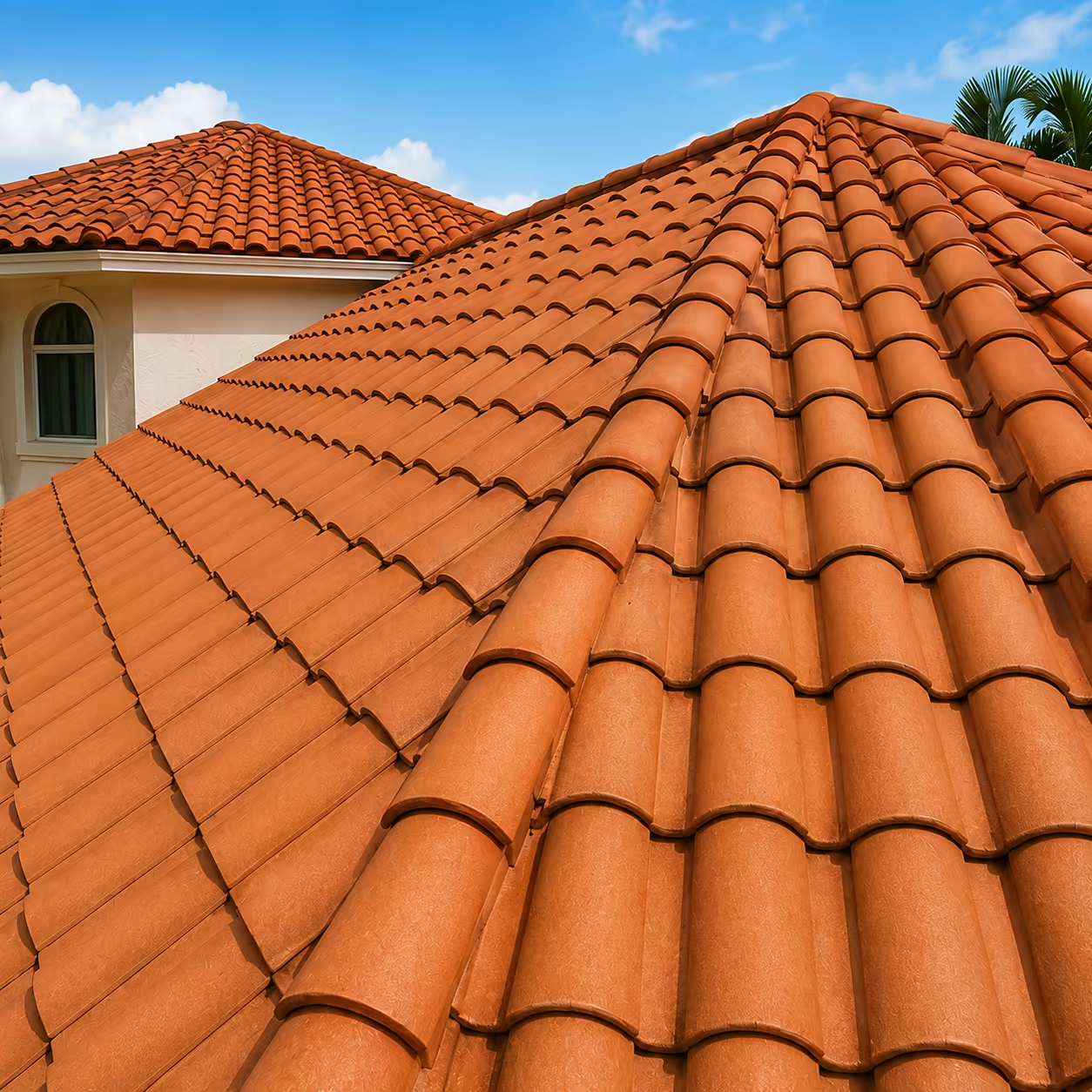
Black algae that forms dark streaks on roof shingles, especially in humid climates.
Algae
Green or dark stains caused by algae growth on surfaces exposed to moisture and shade.
Moss
Soft, thick green growth that thrives in moist environments and can appear on many surfaces.
Lichen
Crusty, pale growth that appears on concrete, stone and other rough surfaces over time.
Driveway Staining
Dirt, algae, oil and organic stains build up on concrete driveways, causing discoloration and slick surfaces.
Nature never stops working. Over time, algae, mold, mildew, moss, lichen, and roof bacteria quietly take hold, trapping moisture and accelerating the natural deterioration of exterior surfaces. What begins as minor discoloration can gradually lead to permanent staining, material degradation, reduced curb appeal, and costly repairs. Professional exterior restoration removes harmful organic growth safely and effectively, preserving the beauty, integrity, and long-term value of your home.
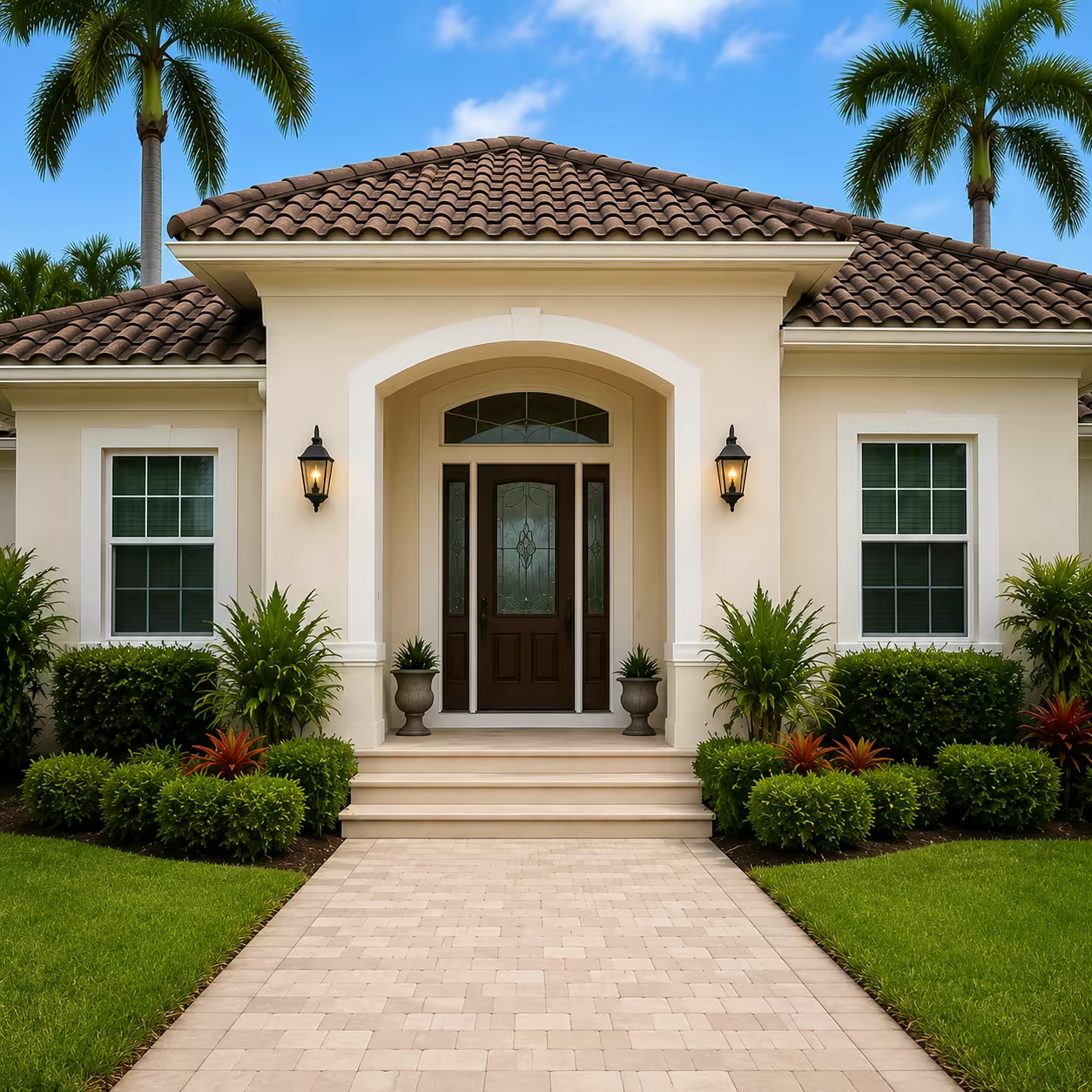
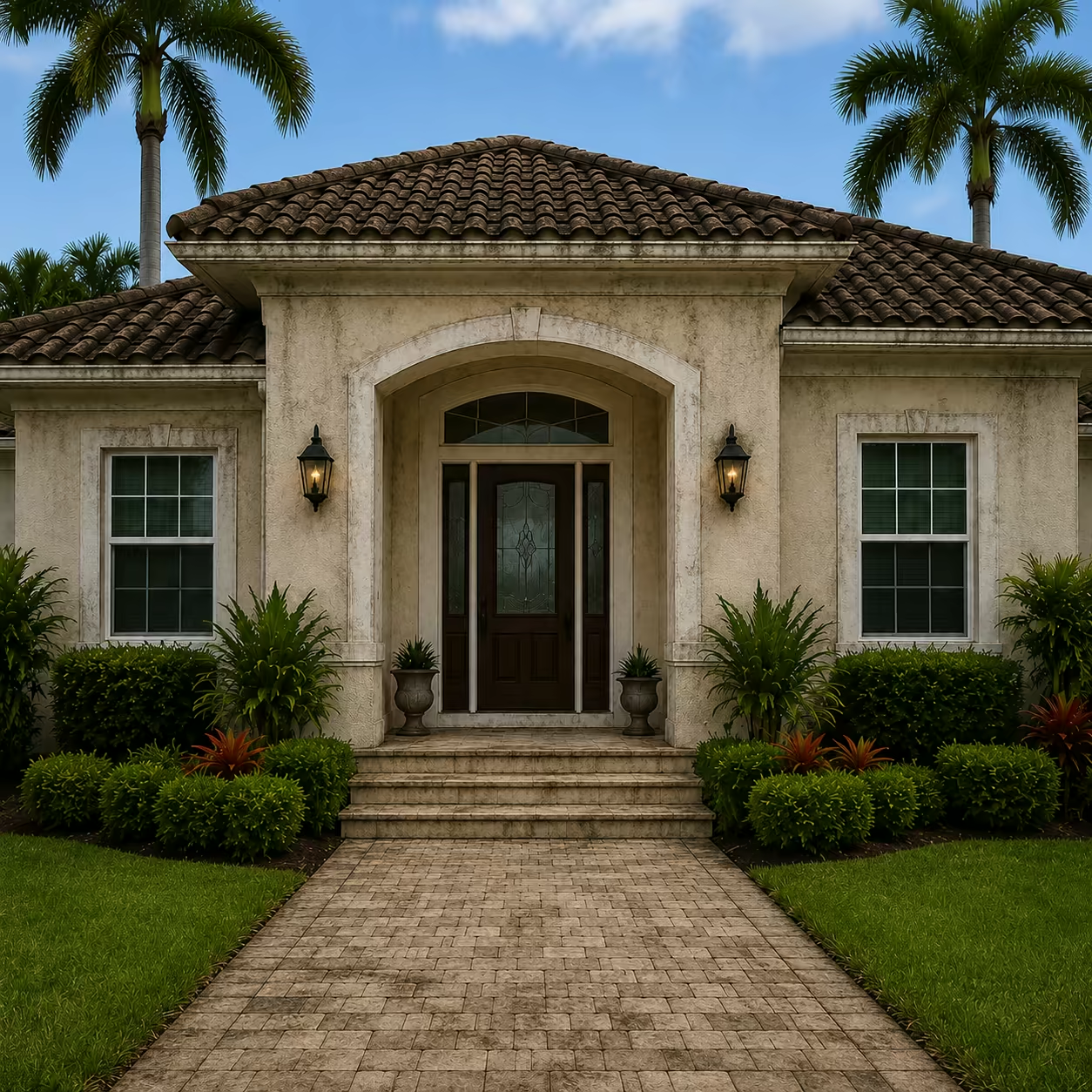
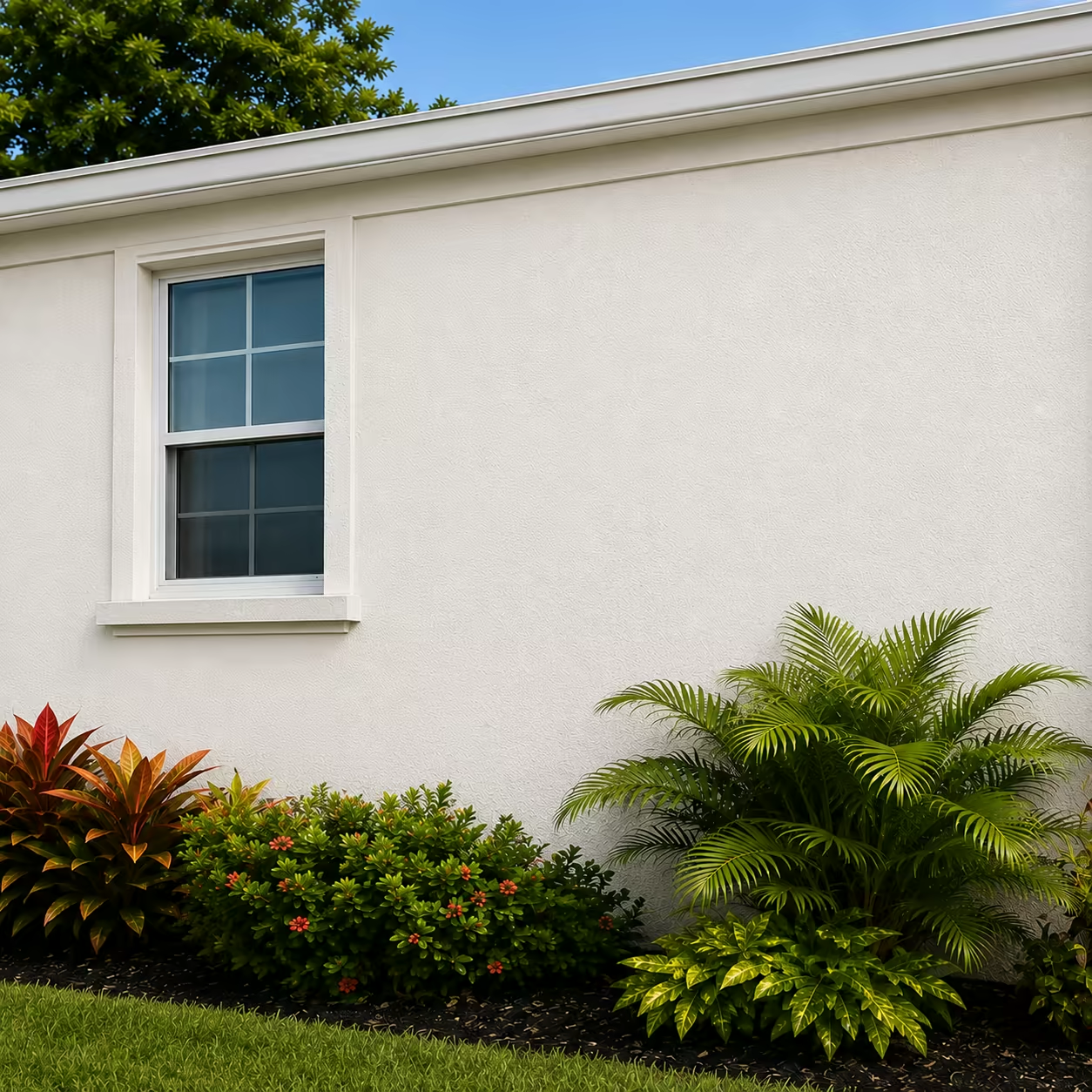
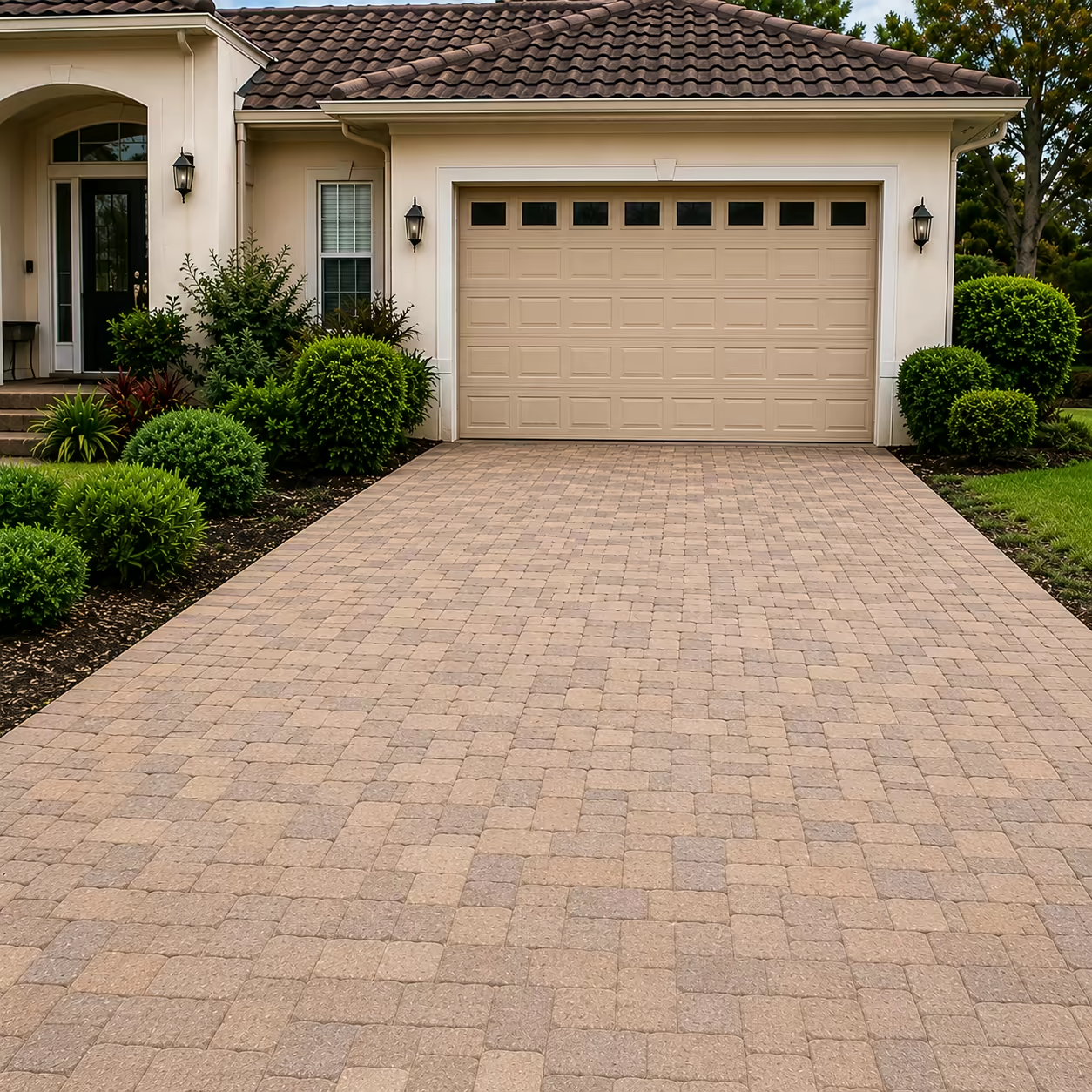
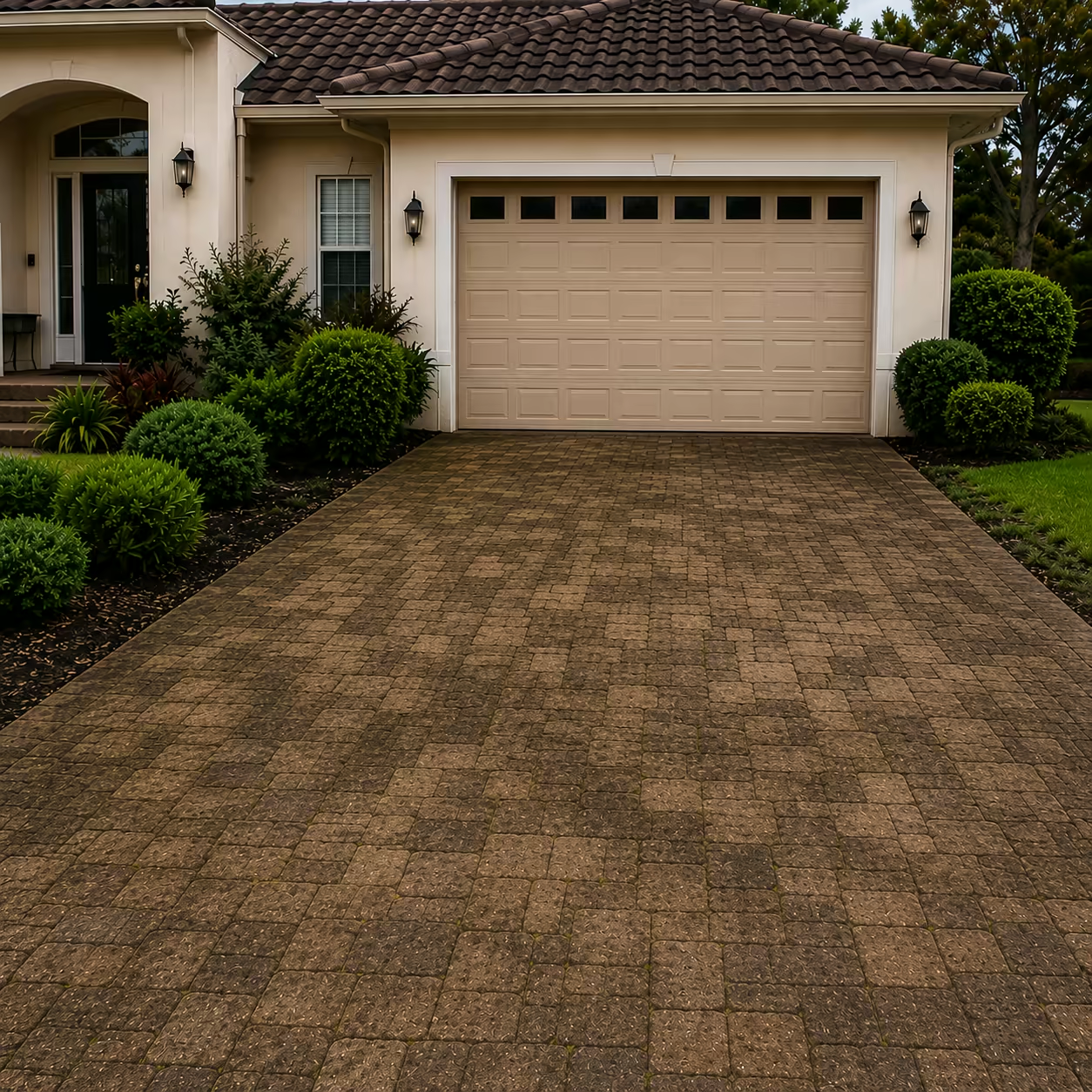
Examples of Our Exterior Restoration
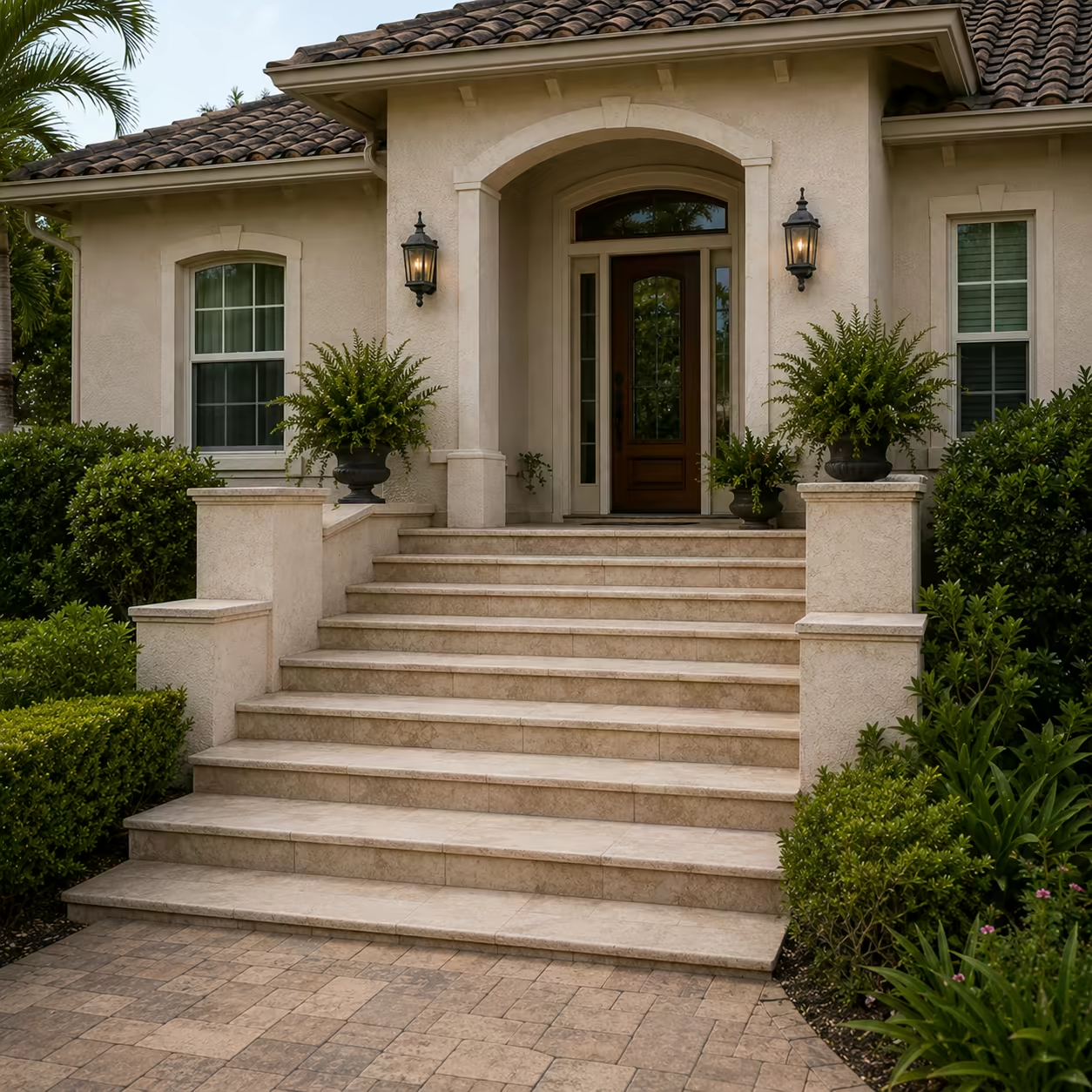
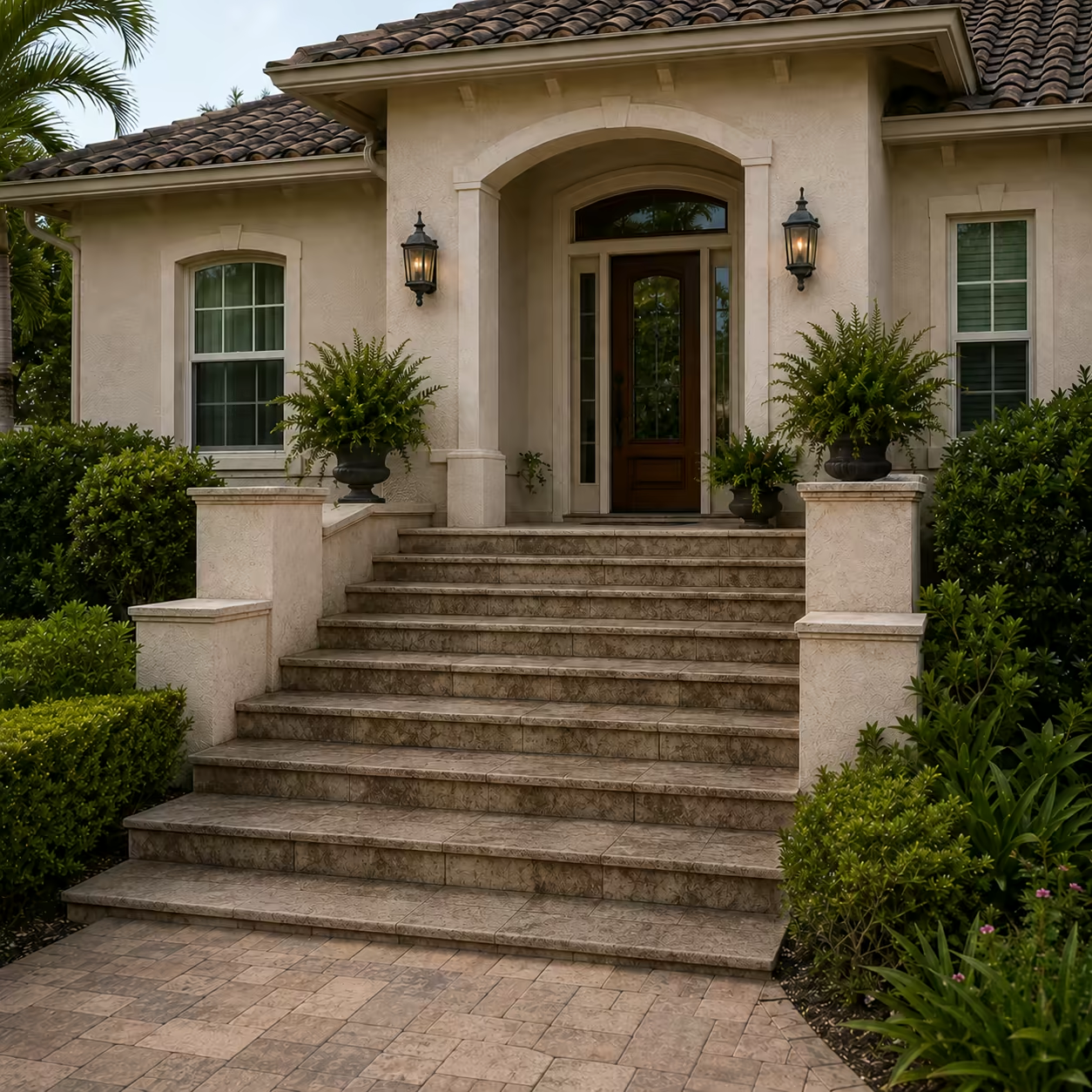

House Washing
Safe soft wash removes dirt, algae, mold & organic buildup.

Roof Cleaning
Soft wash system removes black streaks, algae & moss.

Stucco Cleaning
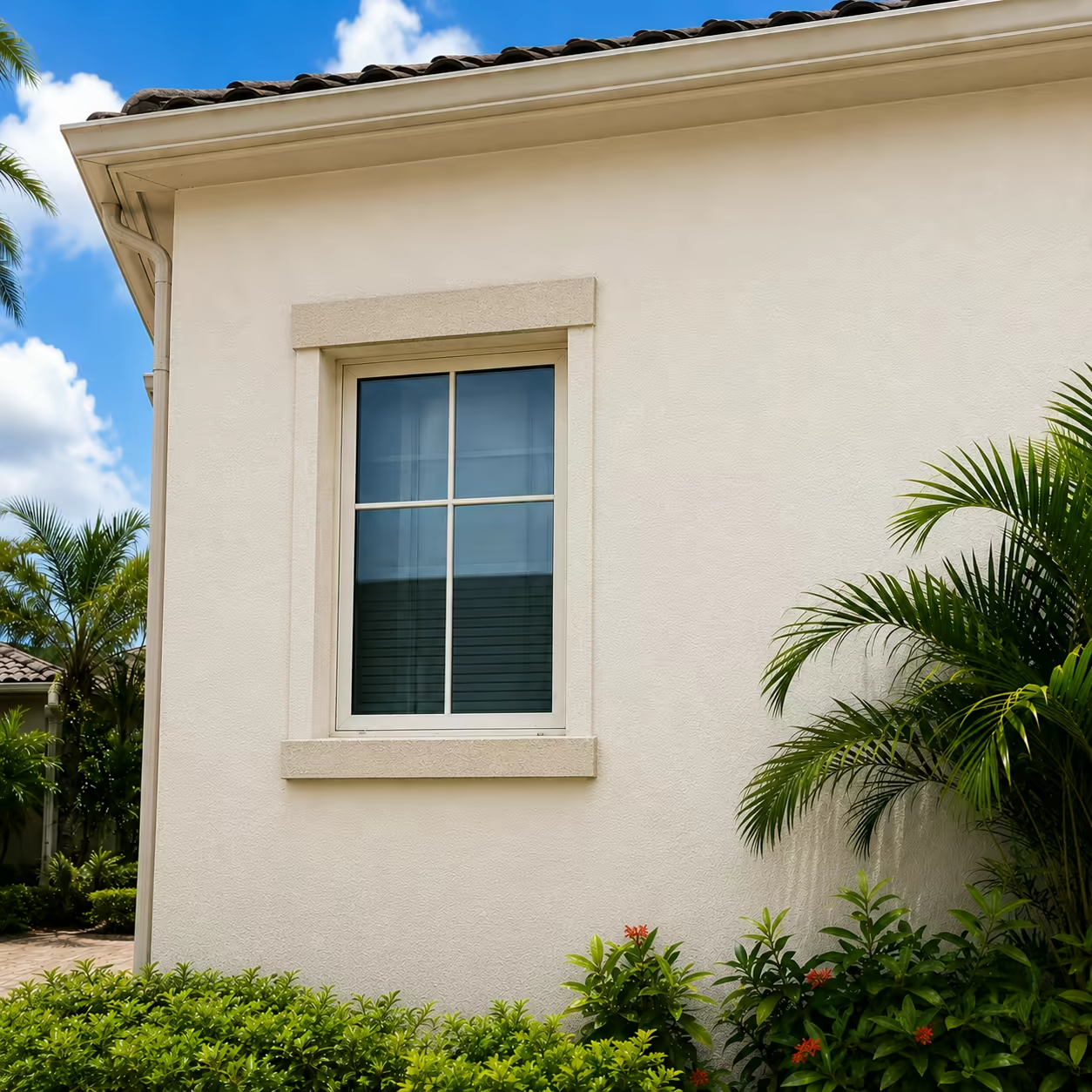
Restores stucco & masonry to a clean, like-new appearance.

Driveway Restoration
Removes stains, algae, oil & organic buildup.

Entry Restoration
Cleans and brightens entryways, steps & walkways.

Fence Cleaning
Removes algae, mildew & dirt for a clean, fresh look.
Additional services include gutter cleaning, window cleaning, patios, pool enclosures, walkways, and more.
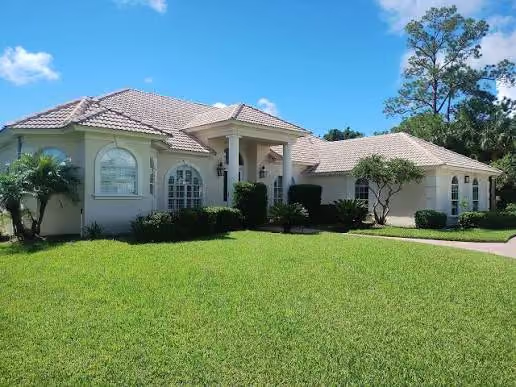

Essential Home Refresh
Perfect for annual maintenance and keeping your home looking its best.
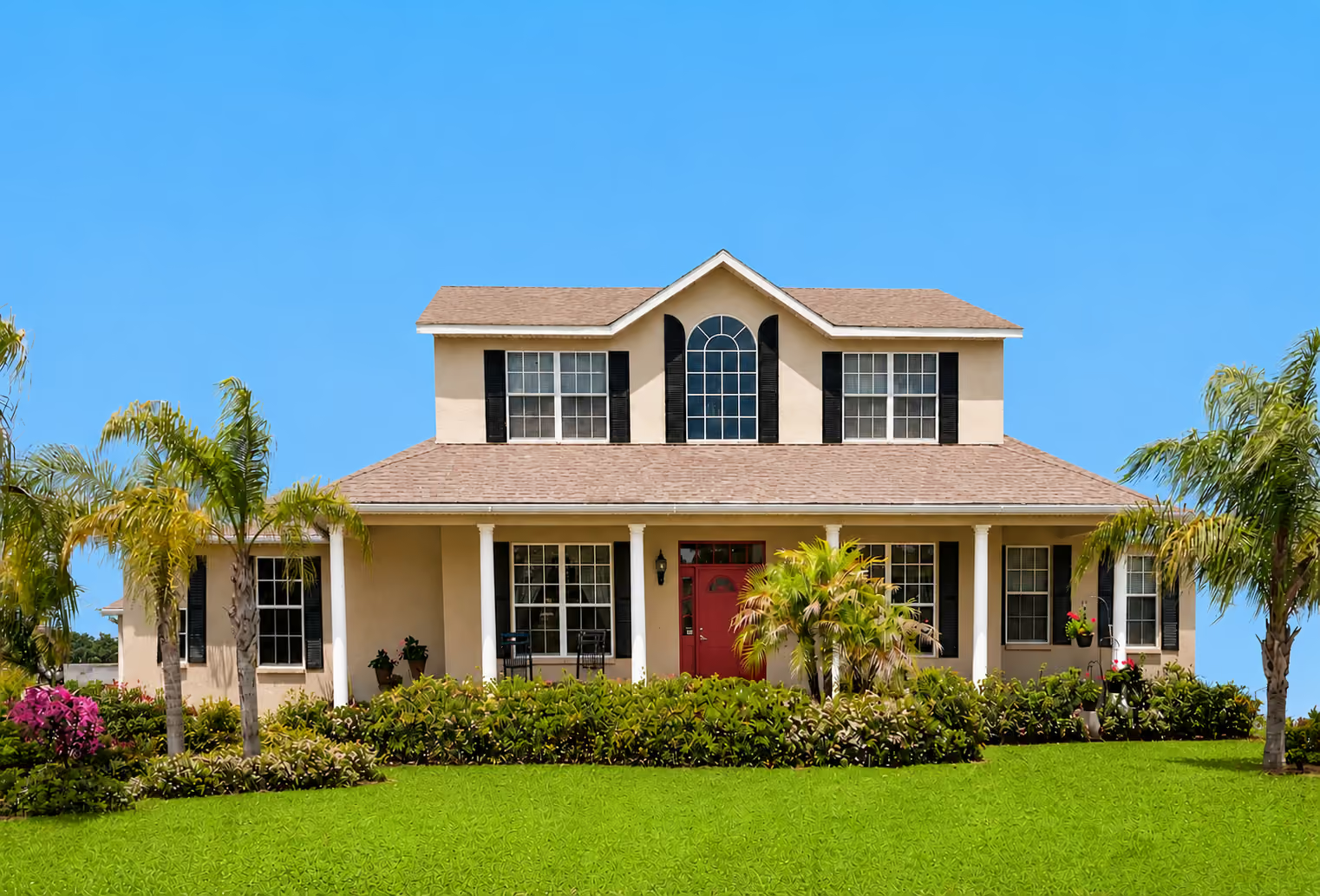

Complete Exterior Refresh
Our most popular package for a complete and lasting exterior clean.
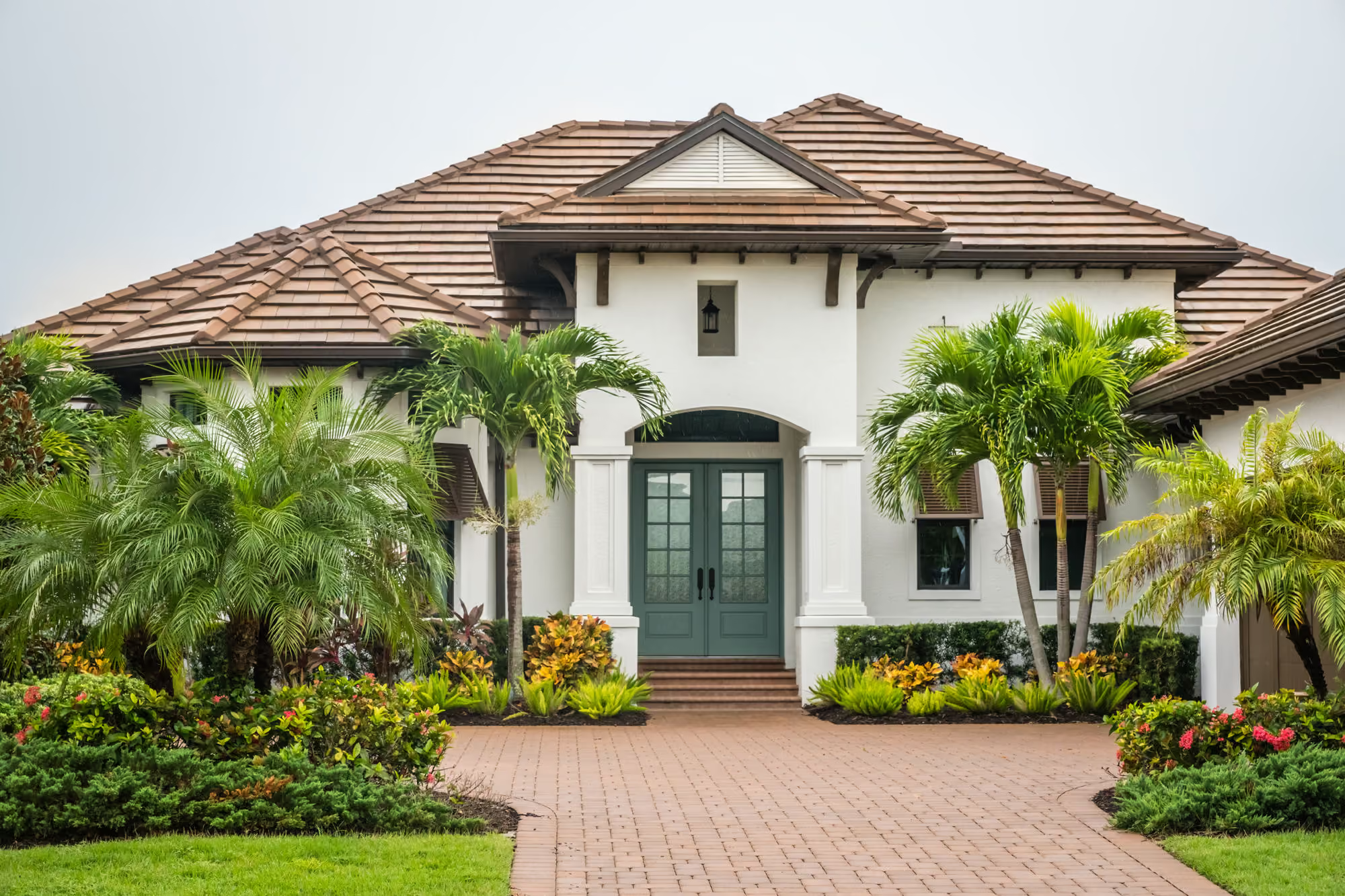

Signature Restoration
A full restoration for a beautiful, like-new appearance from top to bottom.
House Washing
Roof Cleaning
Driveway
Patio
Fence Cleaning

Free Estimate
Every property is unique. Final pricing depends on size, accessibility, surface type, and the level of organic growth.
Projects start at $249. Final pricing depends on property size, accessibility, surface condition, and the level of organic growth.
Questions Homeowners Ask
Is soft washing better than pressure washing?
Neither method is automatically better. The right method depends on the surface and what is causing the discoloration.
Soft washing is generally the right approach for roofs, siding, stucco, painted surfaces, and other materials that can be damaged by excessive pressure. Controlled pressure can be appropriate for harder surfaces such as concrete, some masonry, and certain pavers.
At JD Lime Studio, we choose the cleaning method after evaluating the material, its condition, and the type of contamination. The goal is simple: use the least aggressive method that will properly clean the surface.
Can pressure washing damage my home?
Yes — when too much pressure is used, or when pressure is used on the wrong material.
High pressure can remove paint, scar wood, damage siding, erode mortar joints, disturb aging stucco, and force water behind exterior surfaces. Asphalt shingles should not be cleaned using conventional high-pressure washing.
That does not mean pressure washing itself is bad. It means pressure is a tool, and it needs to be controlled. Before cleaning, we identify the surface and its condition and then determine the appropriate combination of cleaning solution, pressure, water flow, temperature, and dwell time.
What causes the black streaks, green growth, and dark staining on my home?
Usually, those stains are not simply dirt.
Depending on the surface, they may be caused by algae, mold or mildew, lichens, moss, atmospheric pollution, oxidation, mineral deposits, or a combination of several contaminants.
That distinction matters because different stains require different treatments. Increasing water pressure does not necessarily solve the problem and can damage the material underneath.
We first identify what we are trying to remove and then choose the cleaning process accordingly.
How often should I have my home's exterior professionally cleaned?
There is no correct schedule for every house.
A shaded home surrounded by trees may develop organic growth much faster than a home with good sunlight and airflow. Roof orientation, humidity, drainage, landscaping, surface material, and previous coatings all affect how quickly staining returns.
Instead of recommending cleaning every fixed number of months, we recommend cleaning when the surface actually needs it. Regular inspection is more useful than an arbitrary schedule.
Can regular cleaning actually extend the life of my roof and exterior surfaces?
It can help — particularly when biological growth or accumulated contamination is allowed to remain on a surface for long periods.
But cleaning is maintenance, not a repair. It will not fix failing paint, damaged shingles, deteriorated mortar, cracked stucco, or another underlying defect.
This is an important distinction. Sometimes a surface needs cleaning. Sometimes it needs repair or restoration. And sometimes cleaning should wait until another problem has been corrected.
We would rather identify that difference before starting than sell a cleaning service that does not address the real problem.
Is soft washing safe for plants, pets, and landscaping?
It can be performed safely, but protecting the surrounding property is part of the job.
Professional soft washing may require cleaning solutions strong enough to treat organic growth. That means landscaping, delicate plants, painted details, metals, outdoor furniture, and other sensitive areas need to be considered before application.
Depending on the project, we may pre-wet vegetation, control application carefully, manage runoff, rinse surrounding areas, and take additional protective measures.
“Soft” refers primarily to low-pressure application. It does not mean that surface preparation and chemical handling can be ignored.
Why should a surface be cleaned before painting, limewashing, or applying another finish?
Because a coating is only as reliable as the surface underneath it.
Dirt, chalking, algae, loose material, grease, salts, failing coatings, and other contaminants can interfere with adhesion or prevent a mineral finish from interacting properly with the substrate.
But preparation is not always simply “pressure wash it first.” The correct preparation depends on both the existing surface and the finish being applied.
This is one reason JD Lime Studio approaches cleaning and finishing as connected disciplines: before changing a surface, we first need to understand and prepare it.
What exterior surfaces can you clean?
We work with a range of residential exterior materials, including siding, stucco, brick, masonry, concrete, pavers, patios, walkways, driveways, and other exterior surfaces.
The important part is that we do not clean all of them the same way.
Concrete may tolerate a process that would be completely inappropriate for painted siding. Older brick and mortar require different judgment than a modern concrete driveway. Stucco has its own vulnerabilities.
The surface determines the process — not the equipment we happen to have on the trailer.
How long will my home stay clean after professional cleaning?
There is no honest universal answer.
How quickly staining returns depends on moisture, shade, trees, roof orientation, drainage, airflow, climate, surface texture, and the type of contamination originally present.
A north-facing wall under heavy tree cover may show organic growth sooner than a sunny, open elevation of the same house.
Professional cleaning removes the existing contamination. It does not permanently change the environment around the home. If someone promises that every cleaned surface will remain spotless for a specific number of years, that promise should be viewed carefully.
What makes JD Lime Studio different from a typical pressure-washing company?
We start with the surface, not the pressure washer.
JD Lime Studio works at the intersection of exterior cleaning, surface restoration, and mineral finishes. That changes the way we look at a project.
We ask what the material is, what condition it is in, what is growing or deposited on it, whether an existing coating is present, and what may eventually be applied to the surface.
Sometimes the answer is soft washing. Sometimes controlled pressure is appropriate. Sometimes additional restoration is needed. And sometimes the best professional advice is not to clean the surface until another issue is addressed.
Our job is not to use the strongest machine possible. It is to choose the correct treatment for the material in front of us.
Can exterior cleaning improve the appearance and value of my home?
Cleaning can make a significant visual difference when staining, algae, mildew, atmospheric dirt, or other contamination is hiding the actual surface.
It can also reveal something useful: the true condition of the material underneath.
Once a surface is clean, it becomes much easier to determine whether it simply needed maintenance or whether there are failing coatings, cracks, damaged mortar, discoloration, or other conditions that require attention.
So we look at professional cleaning as more than cosmetic improvement. It is often the first step in understanding what the exterior actually needs.
How do I know whether my home needs cleaning, restoration, or a new finish?
Start with the condition of the existing surface.
If the material is sound and the problem is mainly dirt or biological growth, cleaning may be all that is needed.
If there is failing paint, deteriorated mortar, damaged stucco, heavy oxidation, persistent staining, or another substrate problem, restoration may need to come first.
If the surface is stable and the goal is to change its appearance or add a compatible protective finish, then a mineral finish may be the next step.
That is why we prefer to diagnose before prescribing. Send us photographs or let us evaluate the surface, and we can determine the logical next step rather than automatically recommending the most expensive service.
Ready to Restore Your Home?
Request Free Estimate


